
PUF panels have become one of the most preferred construction and insulation materials in modern infrastructure projects. Due to their excellent thermal insulation, durability, and lightweight structure, PUF panels are widely used across industrial, commercial, and residential projects. From cold storage units to prefabricated buildings, PUF panels play a vital role in improving energy efficiency and reducing construction time.
This article explores the top 10 uses of PUF panels in projects while also highlighting their benefits, applications, energy efficiency, cost-effectiveness, and role in sustainable construction.
1. Use of PUF Panels in Construction Projects
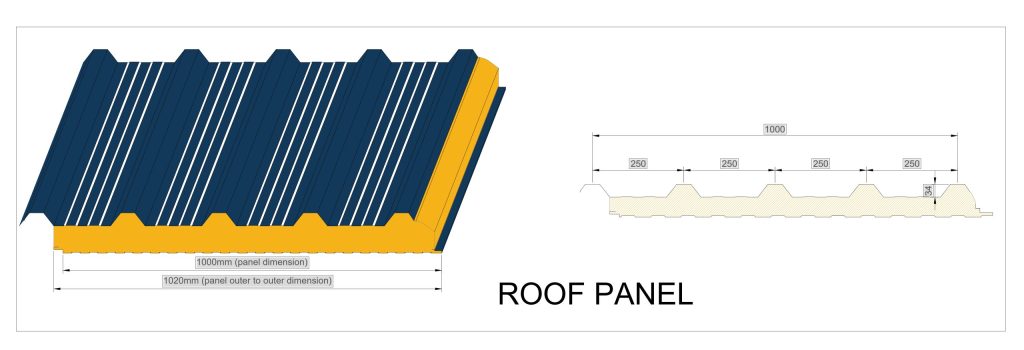
PUF panels are extensively used in construction projects for walls, roofs, and partitions. These panels provide superior insulation against heat, cold, and noise. In large-scale construction projects, PUF panels help in faster installation and reduced labor costs. Their lightweight nature makes them easy to handle, transport, and install, making PUF panels a smart choice for modern construction.
2. Benefits of Using PUF Panels for Industrial Buildings
Industrial buildings require materials that offer durability, insulation, and fire resistance. PUF panels are ideal for industrial projects because they maintain internal temperatures and reduce energy consumption. Factories, manufacturing units, and processing plants use PUF panels to protect machinery and maintain stable working conditions. The long life and low maintenance of PUF panels make them highly cost-effective for industrial buildings.
3. PUF Panels vs Traditional Insulation Materials
When compared to traditional insulation materials like brick walls, glass wool, or rock wool, PUF panels outperform in every aspect. PUF panels offer better thermal resistance, are moisture-resistant, and provide seamless insulation. Traditional materials often require additional insulation layers, whereas PUF panels deliver insulation and structure in a single solution. This makes PUF panels a preferred option in modern projects.
4. Applications of PUF Panels in Cold Storage and Warehouses
One of the most popular uses of PUF panels is in cold storage and warehouse projects. PUF panels help maintain controlled temperatures essential for storing food, pharmaceuticals, and perishable goods. Cold storage facilities rely heavily on PUF panels to reduce temperature loss and energy consumption. Warehouses also benefit from PUF panels by maintaining optimal internal conditions and protecting stored products.
5. Why PUF Panels Are Ideal for Prefabricated Structures
Prefabricated structures demand materials that are lightweight, quick to install, and durable. PUF panels perfectly meet these requirements. From portable cabins to modular offices and site accommodations, PUF panels are widely used in prefabricated projects. Their flexibility in design and ease of installation significantly reduce construction timelines.
6. Energy Efficiency Advantages of PUF Panels in Modern Projects
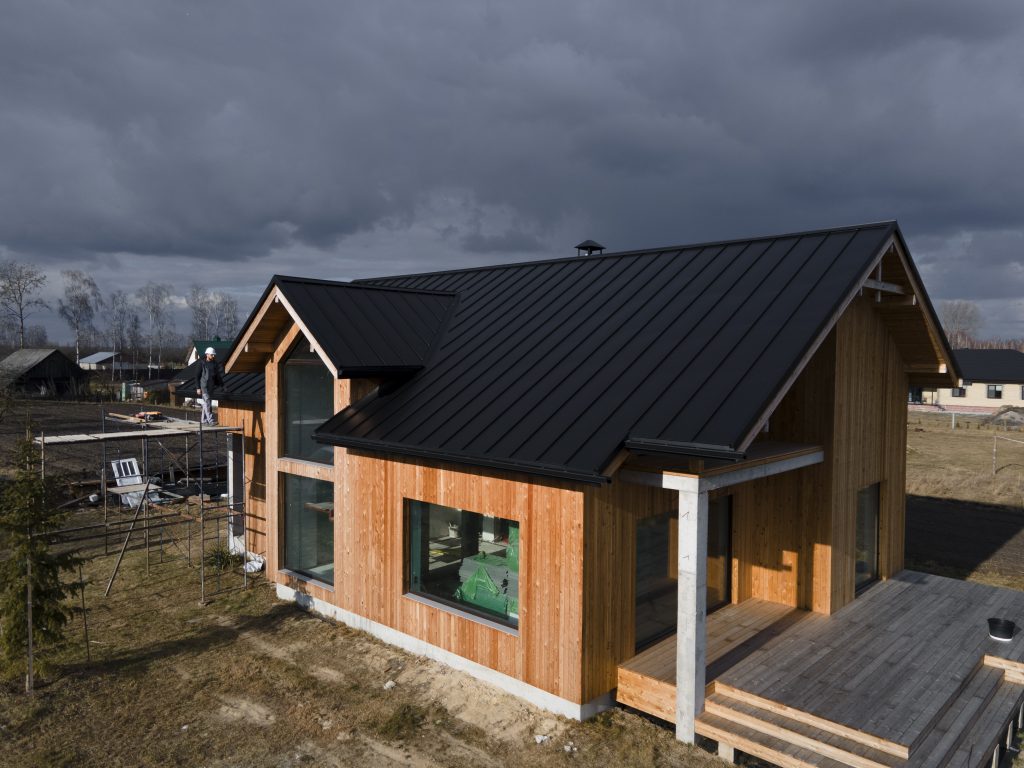
Energy efficiency is a key factor in modern construction, and PUF panels contribute significantly to energy savings. PUF panels reduce heat transfer, which lowers the need for air conditioning and heating systems. By minimizing energy consumption, PUF panels help projects achieve better energy ratings and reduce operational costs. This makes PUF panels an eco-friendly choice for long-term projects.
7. Fire-Resistant and Thermal Properties of PUF Panels
PUF panels are manufactured with fire-retardant materials that enhance safety in buildings. Their excellent thermal properties help maintain stable temperatures even in extreme weather conditions. Many PUF panels comply with international fire safety standards, making them suitable for sensitive environments like hospitals, data centers, and laboratories.
8. Role of PUF Panels in Green and Sustainable Buildings
Sustainability is a growing concern in the construction industry. PUF panels support green building initiatives by reducing energy consumption and carbon footprints. These panels are recyclable and help in achieving green building certifications. Using PUF panels in sustainable projects contributes to environmental conservation while ensuring superior building performance.
9. PUF Panels for Roofing, Walls, and Partition Systems
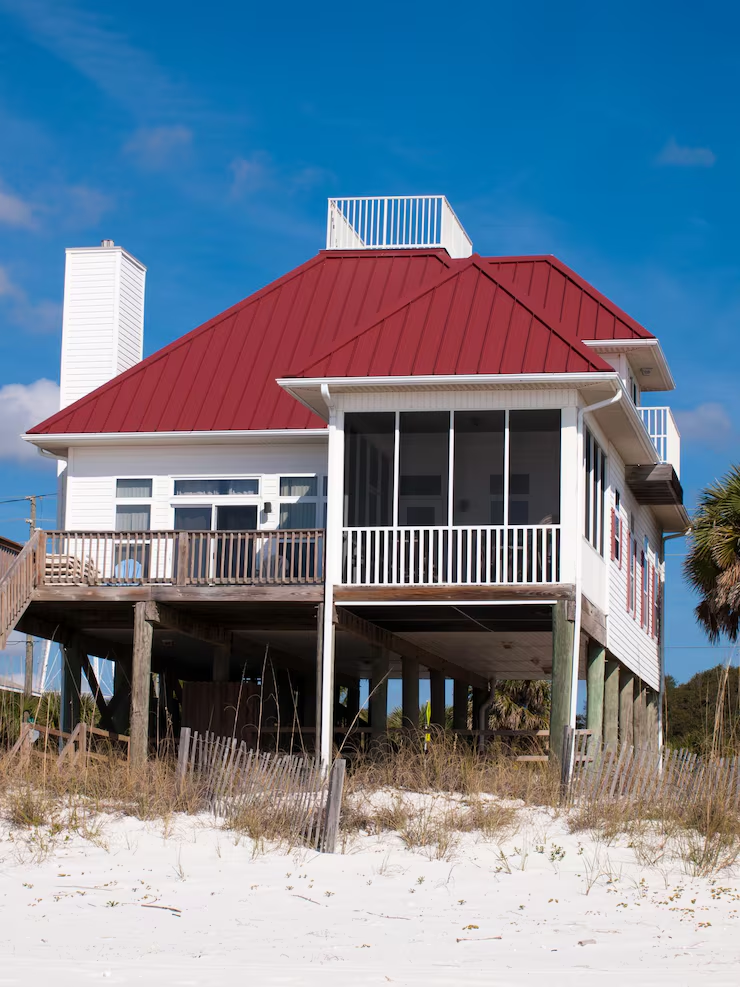
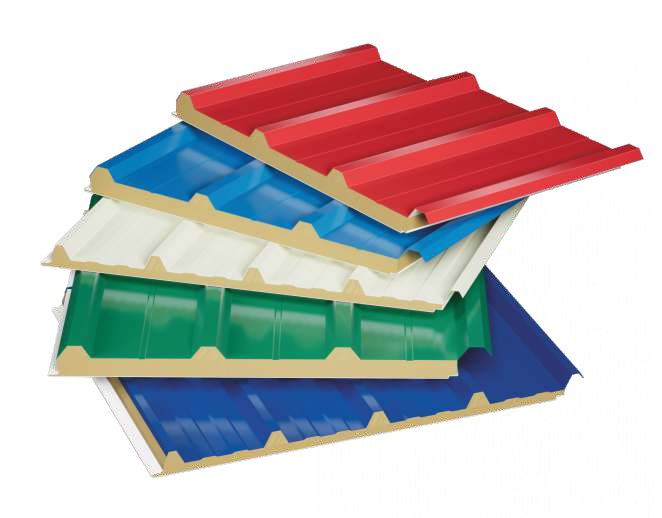
PUF panels are widely used for roofing systems due to their weather resistance and thermal insulation. For wall cladding and partition systems, PUF panels offer strength, aesthetics, and insulation. They are available in various thicknesses and finishes, allowing customization according to project requirements. This versatility makes PUF panels suitable for multiple structural applications.
10. Cost-Effectiveness of PUF Panels in Large-Scale Projects
Large-scale projects demand materials that balance cost and performance. PUF panels reduce construction time, labor costs, and energy expenses, making them highly economical. Although the initial cost of PUF panels may seem higher, their long-term savings and low maintenance make them a cost-effective solution for large infrastructure projects.
Additional Advantages of PUF Panels
Apart from their primary uses, PUF panels offer excellent sound insulation, corrosion resistance, and hygienic properties. These benefits make PUF panels suitable for clean rooms, food processing units, and healthcare facilities. The adaptability of PUF panels ensures they meet the evolving demands of modern construction projects.
PUF panels have transformed the construction industry with their versatility, energy efficiency, and durability. Whether used in industrial buildings, cold storage, prefabricated structures, or green projects, PUF panels deliver unmatched performance. As construction trends move toward sustainability and efficiency, the demand for PUF panels will continue to grow, making them an essential component of future projects.
FAQs
1. What are PUF panels used for?
PUF panels are used for insulation in walls, roofs, cold storage, warehouses, industrial buildings, and prefabricated structures.
2. Are PUF panels energy efficient?
Yes, PUF panels provide excellent thermal insulation and significantly reduce energy consumption in buildings.
3. Are PUF panels fire resistant?
Most PUF panels are manufactured with fire-retardant materials and comply with safety standards.
4. Can PUF panels be used in green buildings?
Yes, PUF panels support sustainable construction and help reduce carbon footprints.
5. Are PUF panels cost-effective?
PUF panels reduce long-term energy and maintenance costs, making them highly cost-effective for large and small projects.